GM's Strategic Pivot: Domestic Battery Development to Counter China Ties
General Motors accelerates U.S. battery supply chain independence with sodium-ion tech, aiming to leapfrog Chinese dominance amid political scrutiny.
Source: CNBC
As the global automotive landscape shifts toward electrification, the geopolitical undercurrents of battery supply chains have become a critical focal point for major manufacturers. General Motors is currently navigating this complex terrain by aggressively pursuing domestic battery development, specifically targeting next-generation sodium-ion technology. This strategic pivot is not merely a manufacturing decision but a calculated response to mounting political pressure and the urgent need to reduce reliance on Chinese raw materials. By investing heavily in local research and partnerships, GM aims to secure a supply chain that is resilient, cost-effective, and insulated from international trade tensions.
Key Developments
-
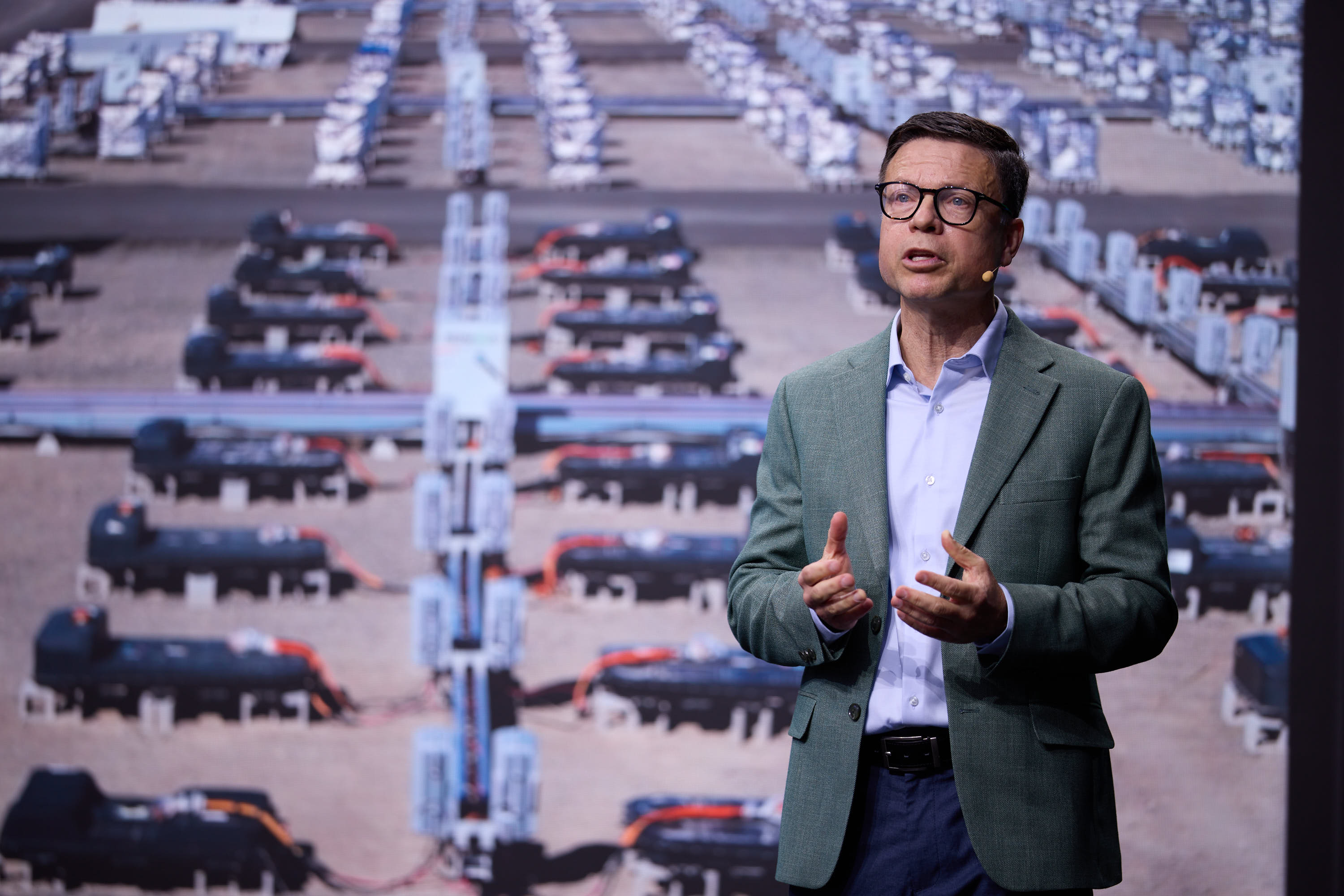
Domestic Supply Chain Focus: GM Vice President Kurt Kelty stated that the company is developing a supply chain that will be entirely domestic within two to three years, aiming to eliminate reliance on foreign sources for battery cells.
-
Sodium-Ion Technology: GM is partnering with Denver-based startup Peak Energy to develop sodium-ion battery cells, a chemistry that utilizes more abundant domestic materials like soda ash instead of scarce lithium.
-
ESS and EV Applications: While initially prioritizing Energy Storage Systems (ESS) for homes and businesses, GM plans to similarly prioritize domestic production for its future all-electric vehicles.
-
Strategic Leapfrogging: GM aims to "leapfrog" established Chinese technologies by developing superior domestic solutions, rather than attempting to replicate existing Chinese supply chains.
-
Reduced Cooling Requirements: Sodium-ion cells offer significant advantages for ESS, as their chemistry allows them to function without active cooling, thereby lowering system complexity and ownership costs.
-
Substantial Investment: The automaker is spending $900 million on new battery lab facilities at its global tech campus in suburban Detroit, including a 500,000-square-foot prototyping facility.
Political Context: GM's moves come shortly after the Trump administration criticized rival Ford Motor for its ties to Chinese companies, highlighting the intense scrutiny on supply chain security.
Deep Dive Analysis
The current trajectory of the global battery market is heavily skewed toward China, which controls approximately 85% of the world's EV battery cathode active material and over 90% of anode active material. This dominance creates a significant vulnerability for Western automakers, who face potential supply disruptions and price volatility. GM's pivot to sodium-ion technology represents a sophisticated attempt to break this stranglehold. Unlike traditional Lithium Iron Phosphate (LFP) batteries, which still rely on critical minerals often sourced from China, sodium-ion batteries use sodium, an element found abundantly in the United States. This fundamental shift in chemistry is a game-changer for supply chain security.
Furthermore, the timing of GM's announcement is politically astute. The Trump administration has placed a premium on reducing dependence on China, recently expressing "profound concern" over Ford's licensing agreements with Chinese battery giant CATL. By positioning its domestic development strategy as a superior alternative to Chinese technology, GM is aligning itself with national security interests while simultaneously differentiating its product offerings. The decision to prioritize Energy Storage Systems (ESS) first is also a strategic masterstroke. ESS units, used in data centers and commercial applications, benefit immensely from the lower operating costs associated with sodium-ion cells, which do not require active cooling. This allows GM to enter the market with a product that is not only secure but also economically competitive. While the $900 million investment is a significant down payment, building a full-scale domestic supply chain will require years of effort and substantial capital. However, as the industry moves toward a future where energy storage is as critical as the vehicles themselves, GM's early investment in this domestic frontier positions it as a leader in the next era of electrification.
Source: https://www.cnbc.com/2026/09/12/gm-us-battery-development-ford-china-ties.html
Related posts

China's New '15th Five-Year Plan' for Electronics Manufacturing: A Global Tech Powerhouse Strategy
China unveils ambitious roadmap for electronics manufacturing growth, targeting $30 trillion revenue by 2030 with focus on AI, semiconductors, and green technology.

Bank of America Q3 Investment Banking Fees Drop Over 10%, Wall Street AI Boom Faces Headwinds
Bank of America CEO Brian Moynihan reports a double-digit decline in investment banking fees for Q3, signaling a cooling period for the AI-fueled capital markets surge.
The Rise of Main Street Millionaires: Hidden Wealth in Plain Sight
Discover the quiet revolution of private business owners reshaping the American economy and challenging the billionaire narrative.

Urban Hukou Reform: Unlocking 1-2 Trillion in New Consumption
Cai Fang analyzes how granting urban residency to migrant workers could boost consumption by 30%, driving significant economic growth.