Bank of America Q3 Investment Banking Fees Drop Over 10%, Wall Street AI Boom Faces Headwinds
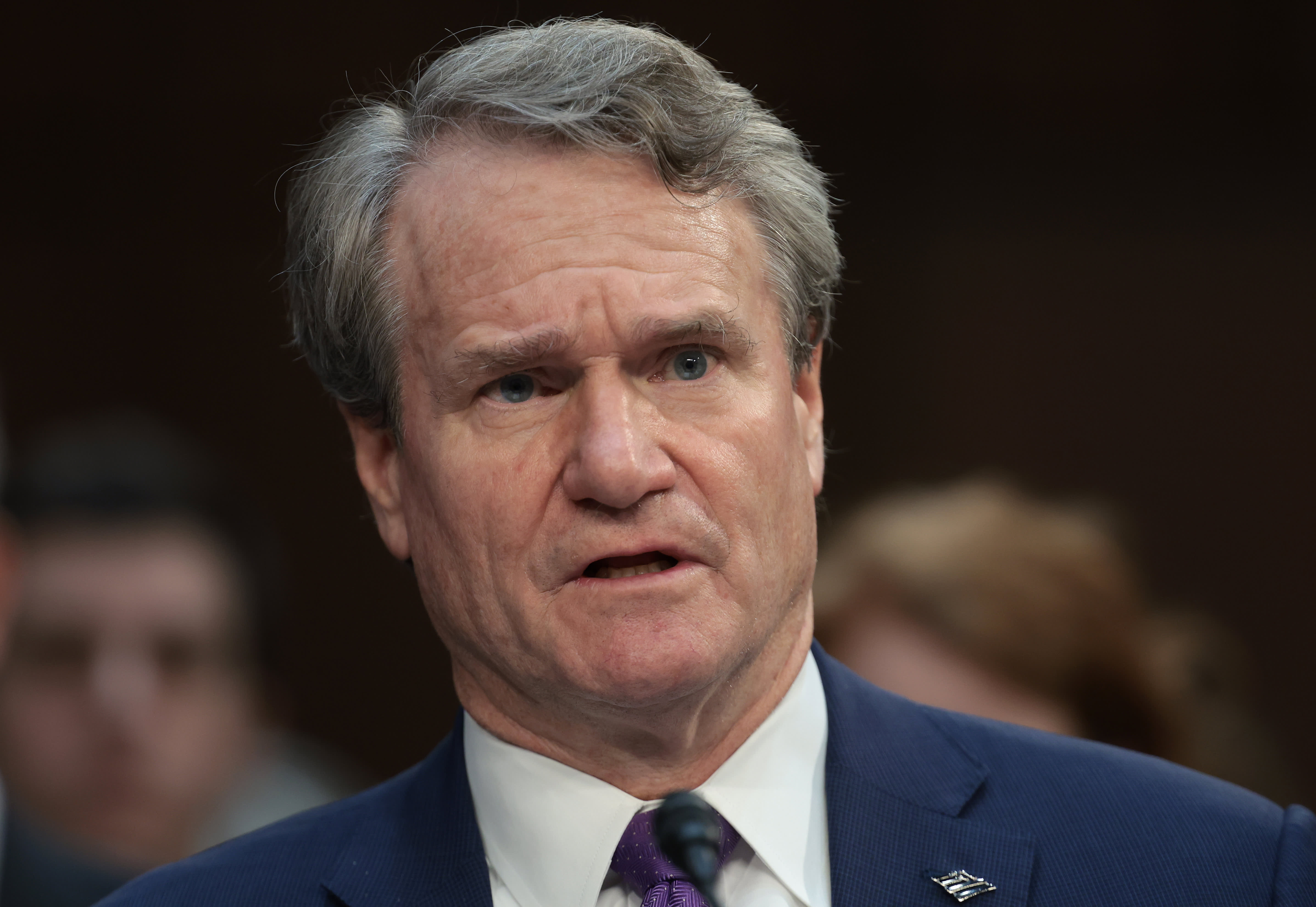
Bank of America CEO Brian Moynihan reports a double-digit decline in investment banking fees for Q3, signaling a cooling period for the AI-fueled capital markets surge.
Source: CNBC
The recent volatility in the global financial markets has shifted from a period of explosive growth to one of cautious recalibration. Bank of America (BAC) has become the latest major institution to signal that the frenetic pace of deal-making and trading activity, largely fueled by artificial intelligence advancements, may be cooling down. In a recent conference, CEO Brian Moynihan revealed that the bank anticipates a more subdued performance in its third-quarter investment banking fees, marking a significant shift from the blockbuster numbers seen in the previous quarter.
Key Takeaways
- Subdued Q3 Outlook: Bank of America forecasts a more than 10% decline in investment banking fees for the third quarter compared to the same period last year.
- Trading Revenue Stagnation: While investment banking fees are dropping, trading revenue is projected to remain roughly flat, contrasting sharply with the 33% surge seen in Q2.
- Market-Wide Correction: CEO Moynihan cited Dealogic data indicating that the broader investment banking market is down approximately 10%, with the bank's performance potentially lagging due to positioning in lower-activity sectors.
- AI-Fueled Boom Hits Turbulence: The bank's muted outlook suggests that the recent surge in capital markets activity, driven by AI-driven strategies, may be facing a temporary slowdown or correction.
- Pipeline Remains Robust: Despite the revenue dip, Moynihan emphasized a strong deal pipeline, particularly in middle-market investment banking, suggesting that the underlying demand for advisory services remains healthy.
- Competitor Contrasts: While Bank of America sees a double-digit decline, Citigroup CFO Gonzalo Luchetti projected low-single-digit revenue growth for investment banking, highlighting a divergence in performance among major Wall Street firms.
- September Key Month: Citigroup's leadership noted that the final weeks of the quarter are critical, with performance in September being a decisive factor in final revenue figures.
Deep Dive Analysis
The recent comments from Bank of America provide a critical window into the current state of the global financial ecosystem. The stark contrast between the second and third quarters—specifically the pivot from a 50% jump in investment banking fees to a projected double-digit decline—serves as a bellwether for the industry. This trend suggests that the initial wave of AI-fueled trading and deal-making enthusiasm may be maturing into a more sustainable, albeit slower, growth phase.
The fact that trading revenue is expected to be flat, while investment banking fees are falling, indicates a structural shift in how capital is being deployed. Investors and corporate clients are likely recalibrating their strategies, moving away from speculative AI-driven trades toward more fundamental financial planning. This shift could pressure banks to innovate further, perhaps integrating AI more deeply into advisory services rather than relying on it for high-frequency trading opportunities.
Furthermore, the disparity between Bank of America's outlook and Citigroup's projections offers an interesting insight into competitive positioning. While both banks are facing a cooling market, their internal performance metrics suggest differing strengths and strategic focuses. This divergence will likely force other financial institutions to scrutinize their own portfolios, particularly in middle-market investment banking, where Moynihan noted the presence of a robust deal pipeline.
Looking ahead, the coming months will be pivotal in determining whether this slowdown is a temporary correction or the beginning of a prolonged downturn in capital markets activity. The resilience of the deal pipeline and the ability of banks to adapt to a more cautious market environment will be key factors in their future performance.
Frequently Asked Questions
What caused the drop in Bank of America's investment banking fees?
The decline is attributed to a general market-wide correction, with CEO Brian Moynihan noting that the investment banking market is down 10% overall. Additionally, the bank indicated it is not as well positioned in the more active business segments.
How does Bank of America's performance compare to its previous quarter?
This is a significant deceleration. In the second quarter, the bank posted a 50% jump in investment banking fees and a 33% surge in trading revenue, whereas the third quarter is expected to see a double-digit decline in fees and flat trading revenue.
What is the outlook for the rest of the year?
While the third quarter outlook is subdued, CEO Moynihan highlighted a strong deal pipeline, particularly in middle-market investment banking. The ultimate performance will depend on how the market evolves in the coming months.
Source: https://www.cnbc.com/2026/09/14/bank-of-america-bac-q3-investment-banking-fees.html
Related posts

GM's Strategic Pivot: Domestic Battery Development to Counter China Ties
General Motors accelerates U.S. battery supply chain independence with sodium-ion tech, aiming to leapfrog Chinese dominance amid political scrutiny.

The Rise of Main Street Millionaires: Hidden Wealth in Plain Sight
Discover the quiet revolution of private business owners reshaping the American economy and challenging the billionaire narrative.

Urban Hukou Reform: Unlocking 1-2 Trillion in New Consumption
Cai Fang analyzes how granting urban residency to migrant workers could boost consumption by 30%, driving significant economic growth.