JMTG Optoelectronics' Upstream Network: The Hidden Interconnections Between Executives and Suppliers
An in-depth analysis of how JMTG Optoelectronics executives and their funds have invested in upstream suppliers, raising questions about transparency and disclosure standards.
Source: 163.com
In the rapidly evolving landscape of the global optical communications industry, the lines between corporate strategy and personal investment are becoming increasingly blurred. A recent investigation into JMTG Optoelectronics (JMTG), a leading player in the sector, has uncovered a complex web of relationships that extends far beyond standard business partnerships. It reveals that key executives, including the Chairman's spouse and senior management, have established a significant footprint in the shareholder registries of JMTG's upstream suppliers. This pattern suggests a strategic alignment that goes beyond simple market transactions, raising important questions about transparency, corporate governance, and the true nature of these business relationships.
Key Findings
- Strategic Investor Network: A network of funds managed by JMTG executives, including 'Xinhe Capital' (managed by the Chairman's spouse) and 'Yongxin Fangzhou' (managed by a senior executive), has invested in multiple upstream suppliers simultaneously.
- Simultaneous Entry: There is a recurring pattern where these funds enter the capital structure of suppliers around the same time, often coinciding with the suppliers achieving mass production or passing JMTG's validation tests.
- Cross-Ownership: The same individuals and funds appear in the shareholder lists of multiple key suppliers, including Su Na Optoelectronics, Zonghui Optoelectronics, Senyi Quantum, and Lianxun Instruments.
- Business Dependence: The suppliers in question are heavily reliant on JMTG as a customer, with JMTG often being their primary revenue source, making these cross-shareholdings a matter of significant investor concern.
- Disclosure Discrepancies: Despite these close ties, the suppliers' prospectuses often classify these executives as 'non-related parties,' leading to questions about the consistency of disclosure standards.
- Upstream 'Card Positioning': JMTG is not only passively accepting these investments but is also proactively engaging in upstream investments through its own funds, aiming to secure its supply chain.
- Regulatory Scrutiny: The specific details of the investment agreements, particularly those involving source restrictions and priority pricing, have been a point of contention and regulatory inquiry.
Deep Dive Analysis
The intricate web of investments described above points to a deliberate strategy rather than a series of coincidences. The fact that funds managed by JMTG executives—specifically 'Xinhe Capital' (managed by the Chairman's spouse, Yang Jingting) and 'Yongxin Fangzhou' (managed by Vice President Ding Hai)—are consistently present in the shareholder lists of suppliers like Su Na Optoelectronics, Zonghui Optoelectronics, and Senyi Quantum is highly significant. This pattern suggests a unified approach to securing the supply chain, where key decision-makers are also invested in the success of their primary vendors.
The timing of these investments is equally telling. The data indicates that these funds often enter the capital structure of suppliers shortly after these suppliers have achieved mass production or successfully passed JMTG's validation tests. For instance, Xinhe Capital entered the capital structure of Lianxun Instruments and Lieqi Intelligent around the same time these companies were solidifying their business ties with JMTG. This timing raises questions about whether these investments are opportunistic or part of a pre-arranged strategy to ensure priority access to supply and favorable pricing terms.
Furthermore, the discrepancy in disclosure standards is a critical issue for investors. While JMTG is listed as a related party in its own prospectus, the suppliers' prospectuses often state that the executives are not related parties. This inconsistency, coupled with the heavy reliance of these suppliers on JMTG, creates an environment where the true nature of the relationship is opaque. It suggests that the current regulatory framework may not adequately capture the nuances of these complex business and personal interconnections, potentially leaving investors at a disadvantage.
Frequently Asked Questions
Q: Why are these investments significant?
A: These investments are significant because they blur the line between business and personal interest. When executives invest in their own suppliers, it raises concerns about potential conflicts of interest, preferential treatment, and the true transparency of the supply chain. It suggests that business decisions may be influenced by personal financial stakes.
Q: How does this impact JMTG's supply chain?
A: These investments could provide JMTG with a more stable and secure supply chain. By having key executives invested in their suppliers, JMTG may gain better access to technology, priority in production, and more favorable pricing. However, it also raises concerns about whether these advantages are being extended to all customers or just those with personal ties to the executives.
Q: What are the regulatory implications of this situation?
A: The situation highlights a potential gap in disclosure regulations. The fact that JMTG classifies these executives as related parties, while their suppliers do not, creates an inconsistency that could mislead investors. Regulators may need to establish clearer guidelines on how to classify and disclose such complex business relationships to ensure market transparency and protect investor interests.
Source: https://www.163.com/money/article/L6V4LOI000258105.html
Related posts
CATL Loses 210 Billion: Who is Hunting the Battery Giant?
CATL's market cap evaporated by 210 billion in a month. Explore the reasons behind the crash, from EV giants going independent to new tax policies.
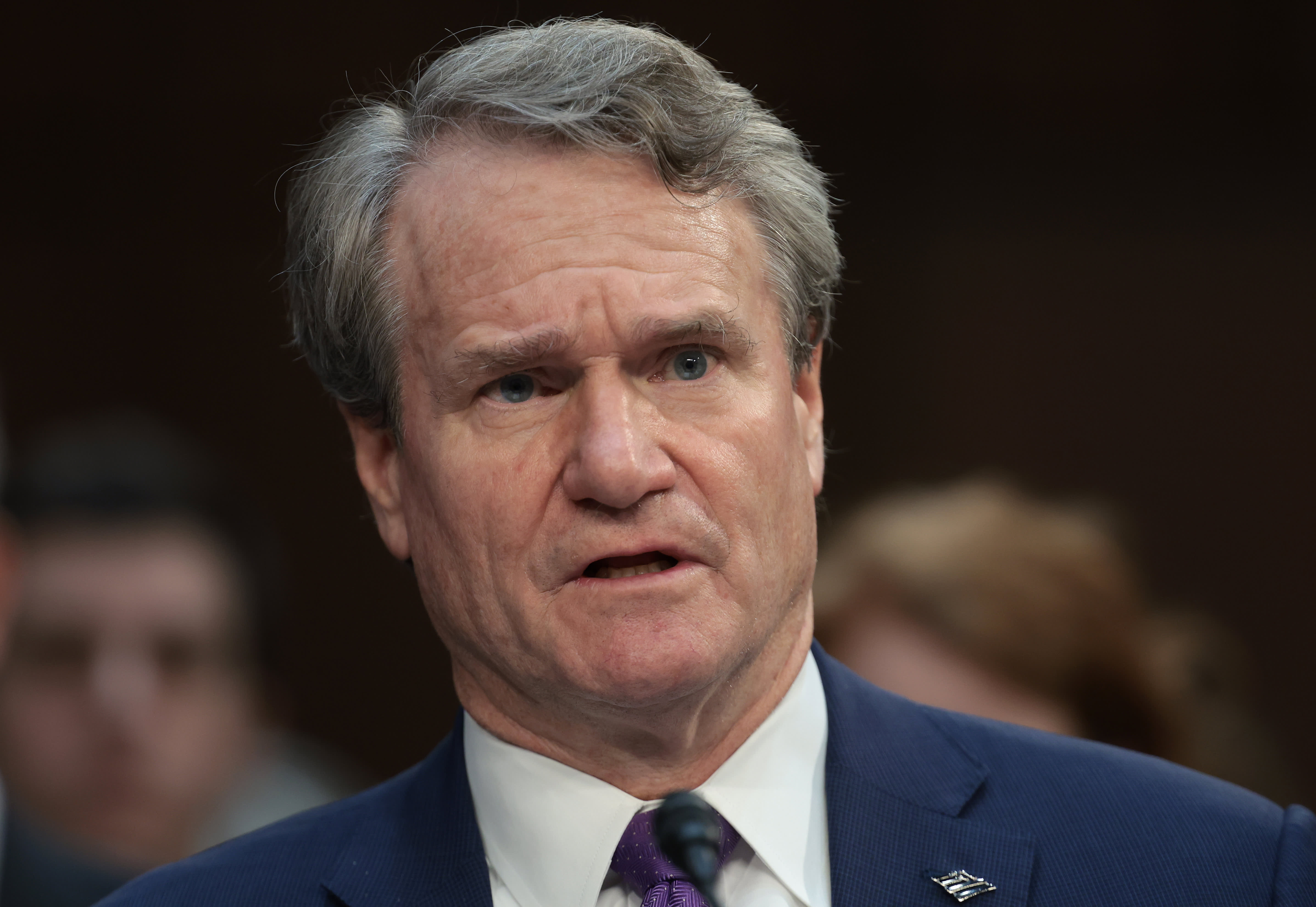
Bank of America Q3 Investment Banking Fees Drop Over 10%, Wall Street AI Boom Faces Headwinds
Bank of America CEO Brian Moynihan reports a double-digit decline in investment banking fees for Q3, signaling a cooling period for the AI-fueled capital markets surge.
China's New '15th Five-Year Plan' for Electronics Manufacturing: A Global Tech Powerhouse Strategy
China unveils ambitious roadmap for electronics manufacturing growth, targeting $30 trillion revenue by 2030 with focus on AI, semiconductors, and green technology.

2027 Ford F-150: V8 Engines Return, Performance Prices Cut
Ford expands V8 availability across all F-150 models and lowers starting prices for 2027 trims, including the Raptor and Tremor, to boost affordability.
China's Property Market Recovery: First-Tier Cities See Housing Price Growth in August
China's top-tier cities saw a significant rebound in housing prices in August, signaling a potential stabilization in the property market.
Huawei-Serres Partnership Enters New Era: Shift to Light Asset Model
Huawei and Serres announce strategic partnership adjustment, with Serres taking the lead in product, marketing, sales, and services while Huawei provides enabling technologies. This move aims to accelerate the development of Harmony Intelligent Mobility's five brands.
Trump Calls AI Risks a 'Scam,' Backs Nvidia CEO Jensen Huang
President Trump dismisses AI safety concerns as a 'scam' during a phone call with Nvidia CEO Jensen Huang, calling data centers the 'oil' of the future. Market reaction remains volatile despite the bullish stance.
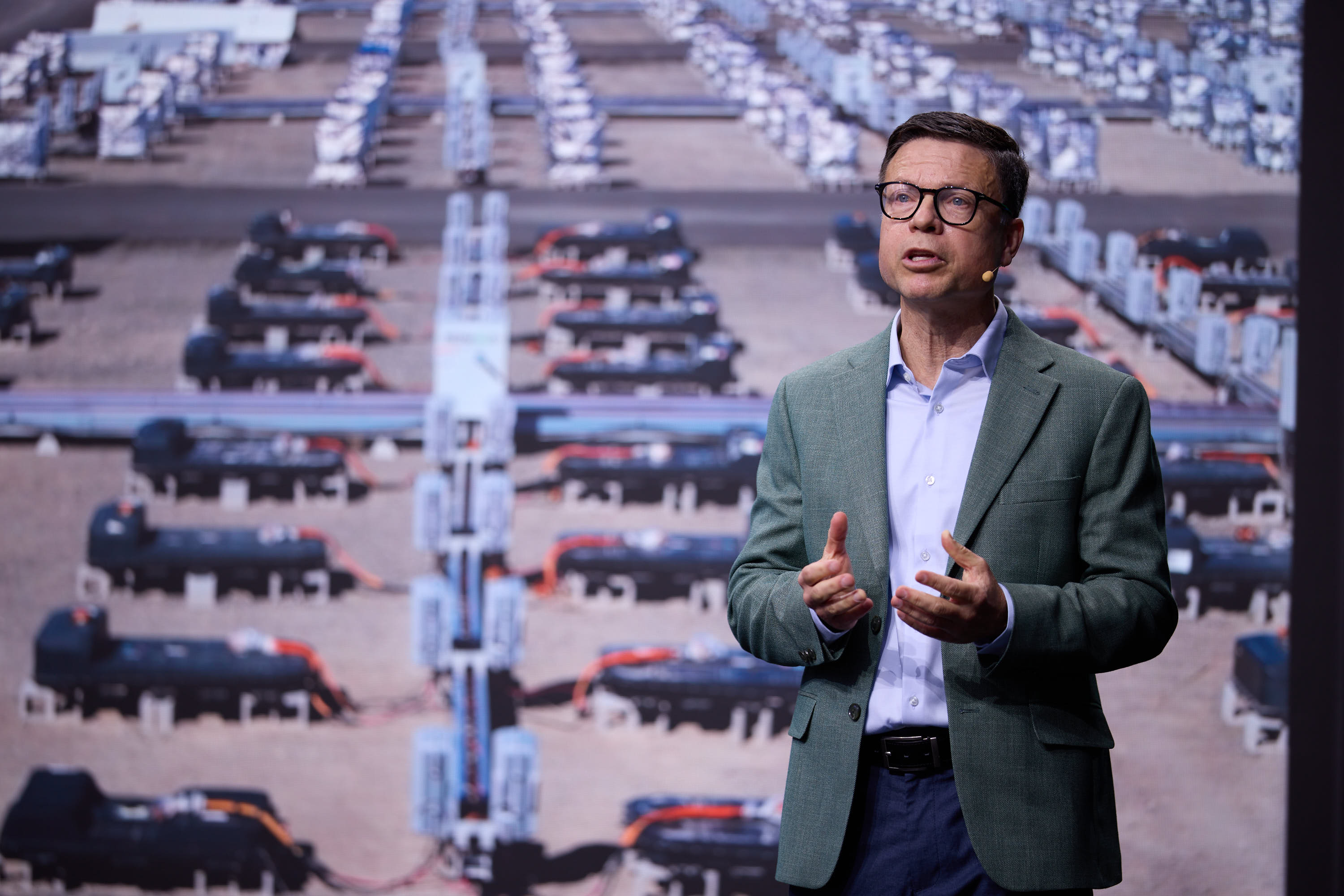
GM's Strategic Pivot: Domestic Battery Development to Counter China Ties
General Motors accelerates U.S. battery supply chain independence with sodium-ion tech, aiming to leapfrog Chinese dominance amid political scrutiny.