Rising Living Costs: How Americans Are Coping With Inflation
Exploring how persistent inflation and rising prices are reshaping American households' financial decisions and daily lives ahead of the midterms.
Source: NPR
As the midterm elections approach, Americans across the country are feeling the pinch of persistent inflation and rising costs for essential goods and services. From gasoline and diesel to imported products, many households are carefully watching their budgets and making difficult financial decisions. These economic concerns are not just abstract concepts but tangible realities that are shaping how people live, work, and plan for the future. The current economic climate represents one of the most significant challenges facing American families in recent years, with inflation reaching levels not seen in decades.
Key Impacts of Rising Prices
- Essential Expenses: Many Americans are experiencing significant increases in the cost of basic necessities including food, housing, and transportation. These essential expenses consume a larger portion of household budgets, leaving less room for discretionary spending and savings.
- Transportation Costs: Gasoline and diesel prices have remained stubbornly high, directly impacting commuting costs and the prices of goods transported across the country. This creates a ripple effect throughout the economy, affecting everything from grocery prices to delivery services.
- Imported Goods: The rising costs of imported items have made many products more expensive, affecting consumers' purchasing power and businesses' supply chains. This global economic pressure is particularly challenging for families who rely on affordable imported goods.
- Budget Constraints: Households are becoming increasingly vigilant about their spending, with many creating stricter budgets and cutting back on non-essential purchases. This financial caution is becoming a new normal for many families who previously enjoyed more financial flexibility.
- Election Season Impact: These economic concerns are top of mind for both voters and politicians as the midterm elections approach. The cost of living has become a central issue in political discourse, with candidates proposing various solutions to address inflation and economic hardship.

In-Depth Analysis
The current inflationary period represents a complex economic challenge that extends beyond simple price increases. It reflects a confluence of factors including supply chain disruptions, post-pandemic demand shifts, and global economic tensions. What makes this situation particularly challenging is its persistence—unlike temporary inflation spikes of the past, current price increases show no signs of abating quickly. This prolonged economic pressure is forcing households to fundamentally rethink their financial strategies and consumption patterns.
From a market perspective, businesses are facing difficult choices as they balance between maintaining profitability and keeping products affordable for consumers. Many companies are absorbing some costs rather than passing them entirely to consumers, a strategy that cannot be sustained indefinitely. The retail sector, in particular, is experiencing significant pressure as consumers become more price-sensitive and selective about their purchases.
Looking ahead, economists predict that inflation may gradually moderate but unlikely return to pre-pandemic levels in the near term. This suggests that households will need to continue adapting to a new economic reality where higher prices are the norm rather than the exception. The long-term implications could include permanent shifts in consumer behavior, changes in savings patterns, and potentially altered career choices as workers seek higher wages to keep pace with rising costs.
Frequently Asked Questions
How are families adjusting their spending habits? Many families are prioritizing essential purchases, delaying major expenses, and seeking alternative products that offer better value. Some are turning to discount retailers, buying in bulk, or reducing dining out and entertainment expenses.
What are politicians proposing to address inflation? Candidates across the political spectrum are offering various solutions including tax relief measures, increased domestic production to reduce reliance on imports, and policies aimed at lowering energy costs. However, there is significant debate about which approaches would be most effective in addressing the root causes of inflation.
Source: https://www.npr.org/2026/09/16/nx-s1-5969965/cost-of-living-expenses-prices-midterms
Related posts

JMTG Optoelectronics' Upstream Network: The Hidden Interconnections Between Executives and Suppliers
An in-depth analysis of how JMTG Optoelectronics executives and their funds have invested in upstream suppliers, raising questions about transparency and disclosure standards.
CATL Loses 210 Billion: Who is Hunting the Battery Giant?
CATL's market cap evaporated by 210 billion in a month. Explore the reasons behind the crash, from EV giants going independent to new tax policies.
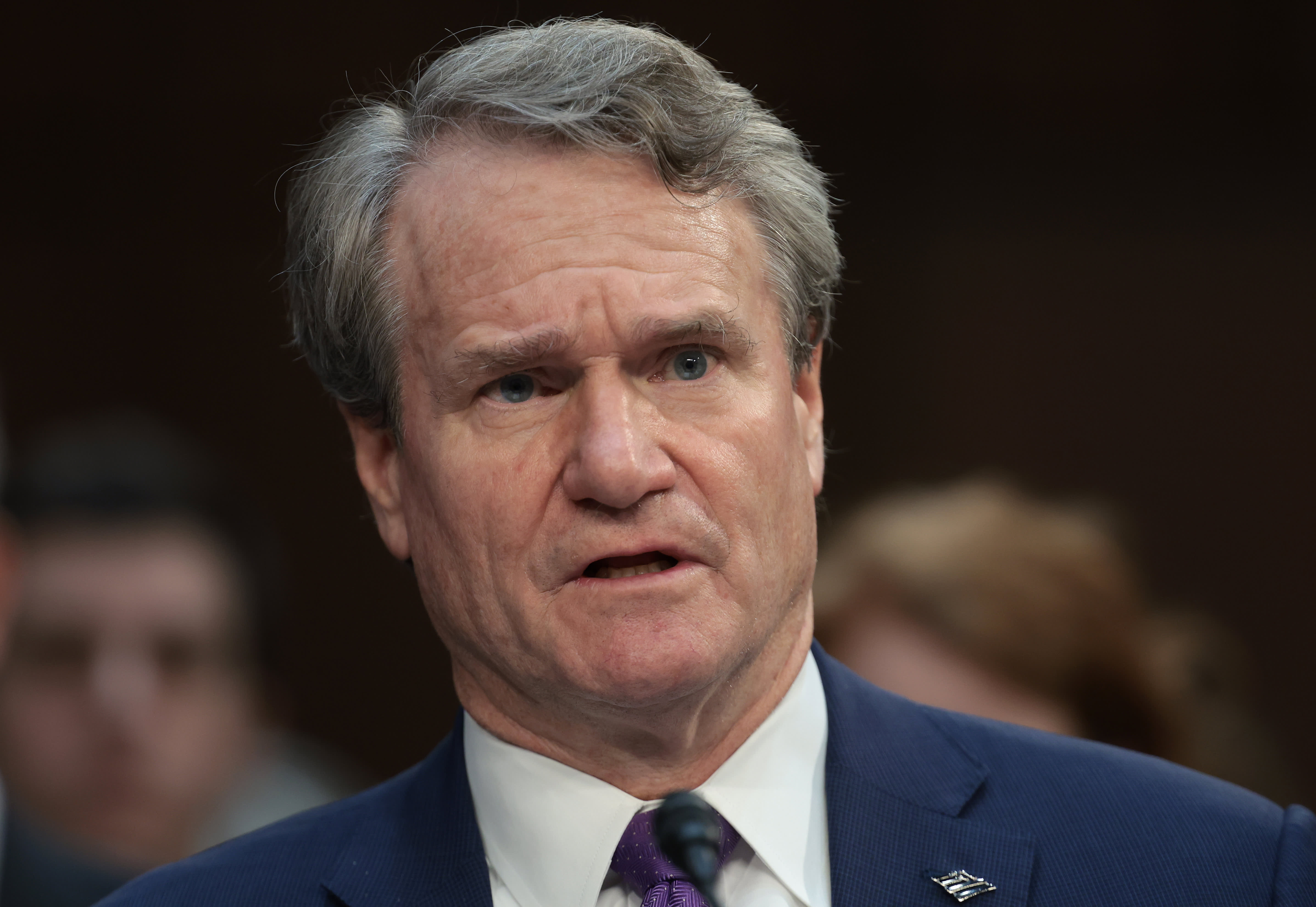
Bank of America Q3 Investment Banking Fees Drop Over 10%, Wall Street AI Boom Faces Headwinds
Bank of America CEO Brian Moynihan reports a double-digit decline in investment banking fees for Q3, signaling a cooling period for the AI-fueled capital markets surge.

China's New '15th Five-Year Plan' for Electronics Manufacturing: A Global Tech Powerhouse Strategy
China unveils ambitious roadmap for electronics manufacturing growth, targeting $30 trillion revenue by 2030 with focus on AI, semiconductors, and green technology.

2027 Ford F-150: V8 Engines Return, Performance Prices Cut
Ford expands V8 availability across all F-150 models and lowers starting prices for 2027 trims, including the Raptor and Tremor, to boost affordability.

China's Property Market Recovery: First-Tier Cities See Housing Price Growth in August
China's top-tier cities saw a significant rebound in housing prices in August, signaling a potential stabilization in the property market.
Huawei-Serres Partnership Enters New Era: Shift to Light Asset Model
Huawei and Serres announce strategic partnership adjustment, with Serres taking the lead in product, marketing, sales, and services while Huawei provides enabling technologies. This move aims to accelerate the development of Harmony Intelligent Mobility's five brands.
Trump Calls AI Risks a 'Scam,' Backs Nvidia CEO Jensen Huang
President Trump dismisses AI safety concerns as a 'scam' during a phone call with Nvidia CEO Jensen Huang, calling data centers the 'oil' of the future. Market reaction remains volatile despite the bullish stance.