Premium Seating: How 30% of Airline Seats Drive Half of Revenue
American Airlines reveals that just 30% of its seats generate half of total revenue, driving industry-wide shift toward premium cabin configurations.
Source: CNBC
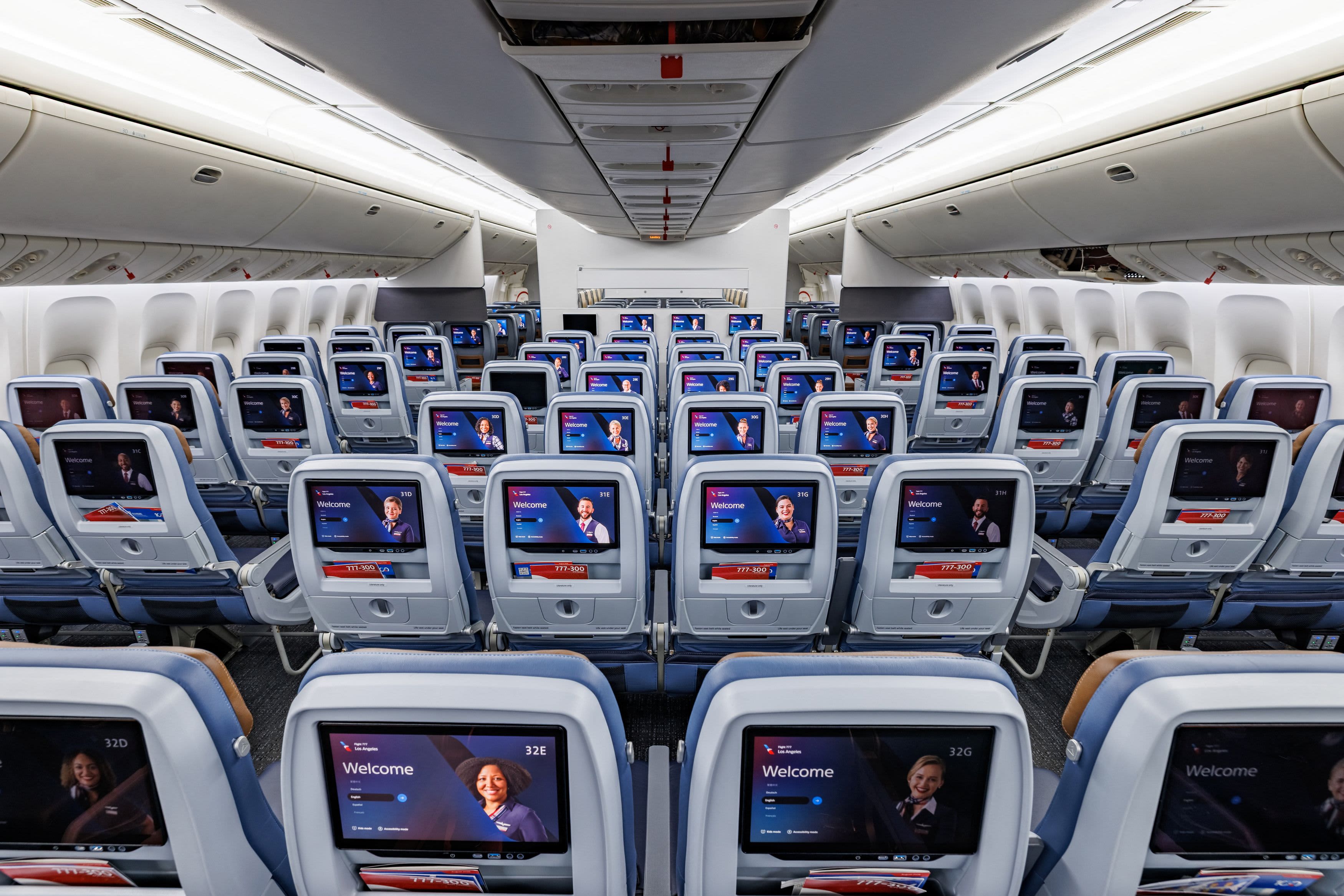
The airline industry is undergoing a dramatic transformation as carriers increasingly focus on premium seating to maximize revenue. American Airlines CEO Robert Isom recently revealed that a mere 30% of the company's seats account for half of its total revenue, highlighting the growing importance of premium cabins in today's competitive aviation landscape. This revelation comes as airlines worldwide are reconfiguring their aircraft to accommodate more first-class and business-class options, capitalizing on higher-spending travelers who remain resilient even amid economic uncertainties.
Key Insights
- Revenue Concentration: American Airlines' 30% of premium seats generating 50% of revenue demonstrates the disproportionate financial impact of high-paying passengers. This concentration has prompted the Fort Worth-based carrier to accelerate its fleet reconfiguration plans, prioritizing premium cabin installations across new and existing aircraft.
- Fleet Transformation: The airline recently unveiled a 70-suite business class cabin on its Boeing 777-300ER aircraft, with additional planes awaiting similar upgrades. American is also planning interior renovations for its Boeing 787-8 Dreamliners and 777-200s, signaling a comprehensive shift toward premium-focused configurations.
- Competitive Response: This premium seating strategy isn't limited to major carriers. Even smaller and budget airlines like Allegiant Air and JetBlue Airways are introducing upgraded seat options to attract high-value customers who prioritize comfort over price.
- Financial Imperative: The push for premium cabins comes as airlines grapple with rising fuel costs, which now represent their second-largest expense after labor. Premium travelers offer more consistent revenue streams that help offset these operational challenges.
- Future Fleet Expansion: American Airlines plans to order new wide-body aircraft this year, specifically designed with premium configurations in mind. This forward-looking approach ensures the carrier can maintain its competitive edge in the premium travel segment.
Deep Analysis
The industry's pivot toward premium seating reflects fundamental changes in air travel economics and consumer behavior. As leisure and business travelers increasingly prioritize comfort and experience over basic transportation, airlines are strategically reallocating cabin space to maximize revenue per available seat kilometer. This shift represents a departure from the traditional hub-and-spoke model that emphasized volume over value.
The premium cabin rush also underscores changing market dynamics post-pandemic. While economy travel has seen more price sensitivity, premium segments have demonstrated remarkable resilience, with corporate and high-net-worth individuals maintaining travel budgets despite economic fluctuations. This has created a two-tiered aviation market where premium cabins serve as profit centers that subsidize economy class operations.
Looking ahead, we can expect continued innovation in premium seating, with airlines investing in lie-flat beds, private suites, and enhanced dining experiences to justify premium pricing. The integration of advanced seat-back entertainment systems, high-speed connectivity, and personalized service will further differentiate premium offerings. Additionally, sustainability considerations may influence premium cabin designs, with airlines exploring lighter materials and more efficient configurations to reduce fuel consumption while maintaining luxury standards.
As American Airlines and its competitors continue this fleet transformation, travelers can anticipate more varied premium options across different aircraft types and routes. This evolution will likely accelerate the segmentation of air travel, creating distinct experiences that cater to different market segments and price points.
Frequently Asked Questions
Why are airlines focusing so heavily on premium seating? Airlines are prioritizing premium cabins because they generate significantly higher revenue per seat compared to economy class. With fuel costs rising and competition intensifying, premium travelers provide the consistent, high-margin revenue needed to maintain profitability and invest in fleet upgrades.
How will this trend affect ticket prices for regular travelers? While premium cabin expansion may lead to higher overall airline costs, carriers typically balance this by optimizing economy class density and adjusting pricing strategies. Regular travelers might see modest price increases on certain routes, but the impact varies by airline and market conditions.
Are budget airlines also adding premium options? Yes, even budget carriers like Allegiant Air and JetBlue Airways are introducing premium seating options to attract higher-spending customers. This hybrid approach allows budget airlines to capture additional revenue without abandoning their core value proposition of affordable basic travel.
Source: https://www.cnbc.com/2026/09/16/american-airlines-ceo-first-class-seats.html
Related posts

Rising Living Costs: How Americans Are Coping With Inflation
Exploring how persistent inflation and rising prices are reshaping American households' financial decisions and daily lives ahead of the midterms.

JMTG Optoelectronics' Upstream Network: The Hidden Interconnections Between Executives and Suppliers
An in-depth analysis of how JMTG Optoelectronics executives and their funds have invested in upstream suppliers, raising questions about transparency and disclosure standards.
CATL Loses 210 Billion: Who is Hunting the Battery Giant?
CATL's market cap evaporated by 210 billion in a month. Explore the reasons behind the crash, from EV giants going independent to new tax policies.

Bank of America Q3 Investment Banking Fees Drop Over 10%, Wall Street AI Boom Faces Headwinds
Bank of America CEO Brian Moynihan reports a double-digit decline in investment banking fees for Q3, signaling a cooling period for the AI-fueled capital markets surge.

China's New '15th Five-Year Plan' for Electronics Manufacturing: A Global Tech Powerhouse Strategy
China unveils ambitious roadmap for electronics manufacturing growth, targeting $30 trillion revenue by 2030 with focus on AI, semiconductors, and green technology.
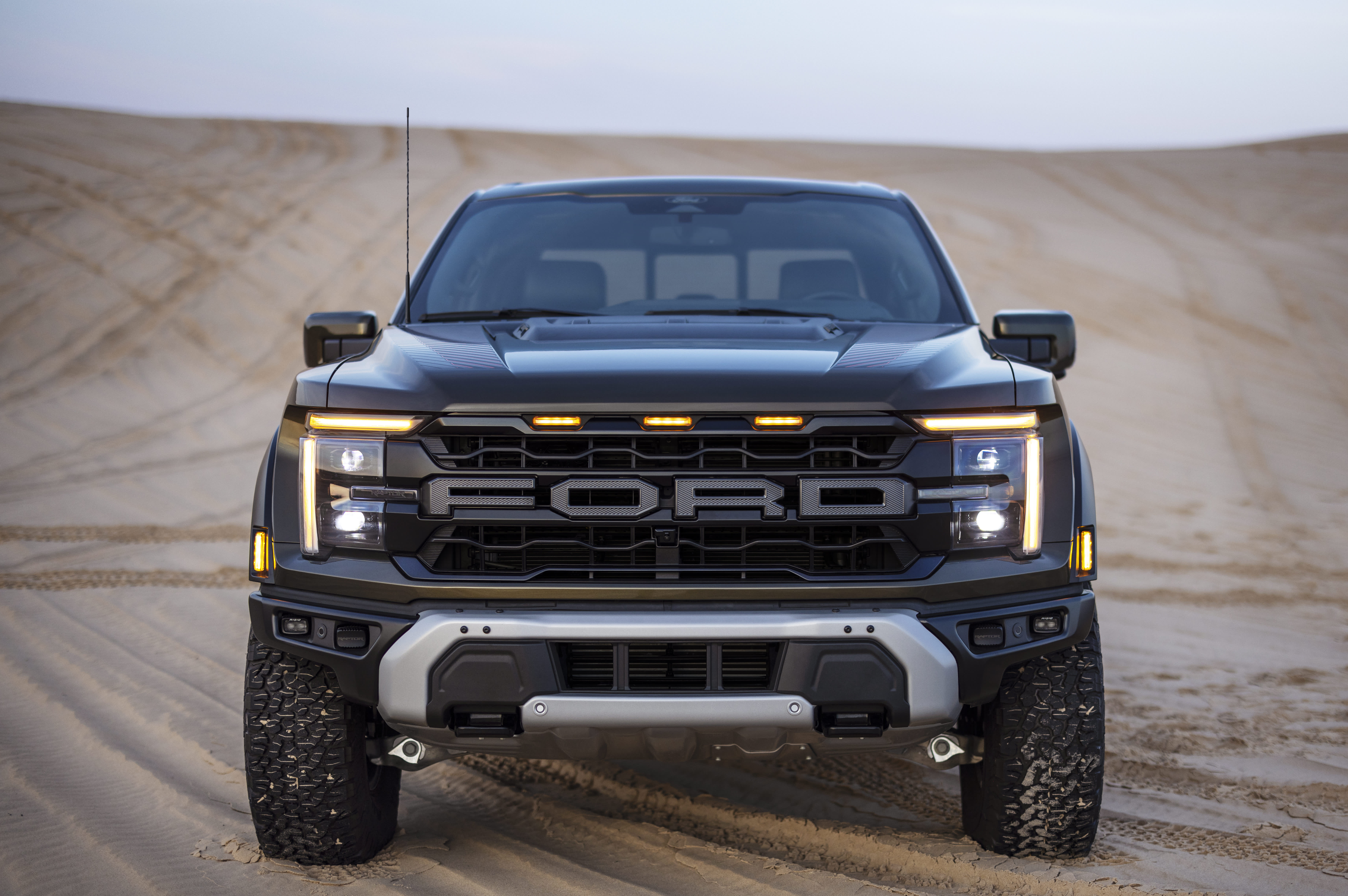
2027 Ford F-150: V8 Engines Return, Performance Prices Cut
Ford expands V8 availability across all F-150 models and lowers starting prices for 2027 trims, including the Raptor and Tremor, to boost affordability.

China's Property Market Recovery: First-Tier Cities See Housing Price Growth in August
China's top-tier cities saw a significant rebound in housing prices in August, signaling a potential stabilization in the property market.
Huawei-Serres Partnership Enters New Era: Shift to Light Asset Model
Huawei and Serres announce strategic partnership adjustment, with Serres taking the lead in product, marketing, sales, and services while Huawei provides enabling technologies. This move aims to accelerate the development of Harmony Intelligent Mobility's five brands.